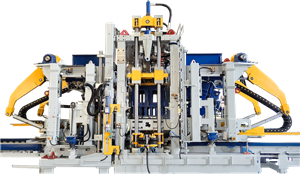
De la “producción” al “valor”: las líneas de procesamiento secundario transforman la competitividad de los productos de hormigón
From “Production” to “Value”
Secondary Processing Lines Reshape the Competitiveness of Concrete Products
As the construction materials industry transitions from scale competition to value competition, single-function blocks or pavers can no longer fully meet the dual demands of quality and aesthetics required by municipal projects, landscape construction, and high-end buildings. How to differentiate products and increase added value based on existing block production capacity has become a key concern for many manufacturers. Secondary processing lines have emerged as an essential solution in response to this trend.
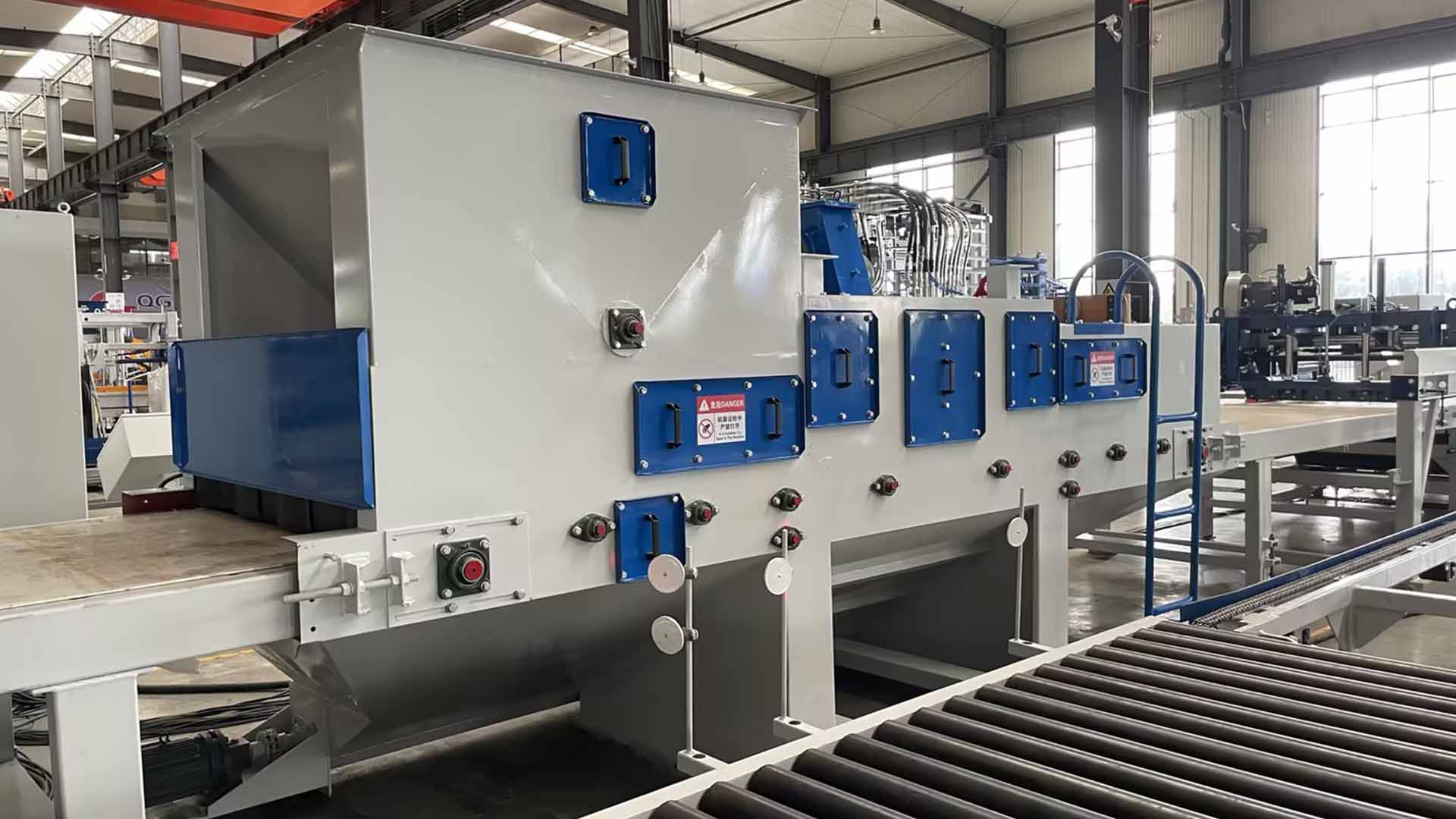
Secondary Processing: Making Concrete Products “More Like Stone”
Secondary processing refers to post-forming treatments applied after blocks or pavers have been shaped and cured. Typical processes include splitting, grinding, polishing, shot blasting, washing, and surface finishing.
These processes transform plain concrete products into items with natural stone-like textures, depth, and three-dimensional visual effects, making them suitable for urban roads, pedestrian systems, landscape projects, commercial complexes, and architectural facades. In this way, concrete products evolve from functional building materials to decorative, high-value applications.
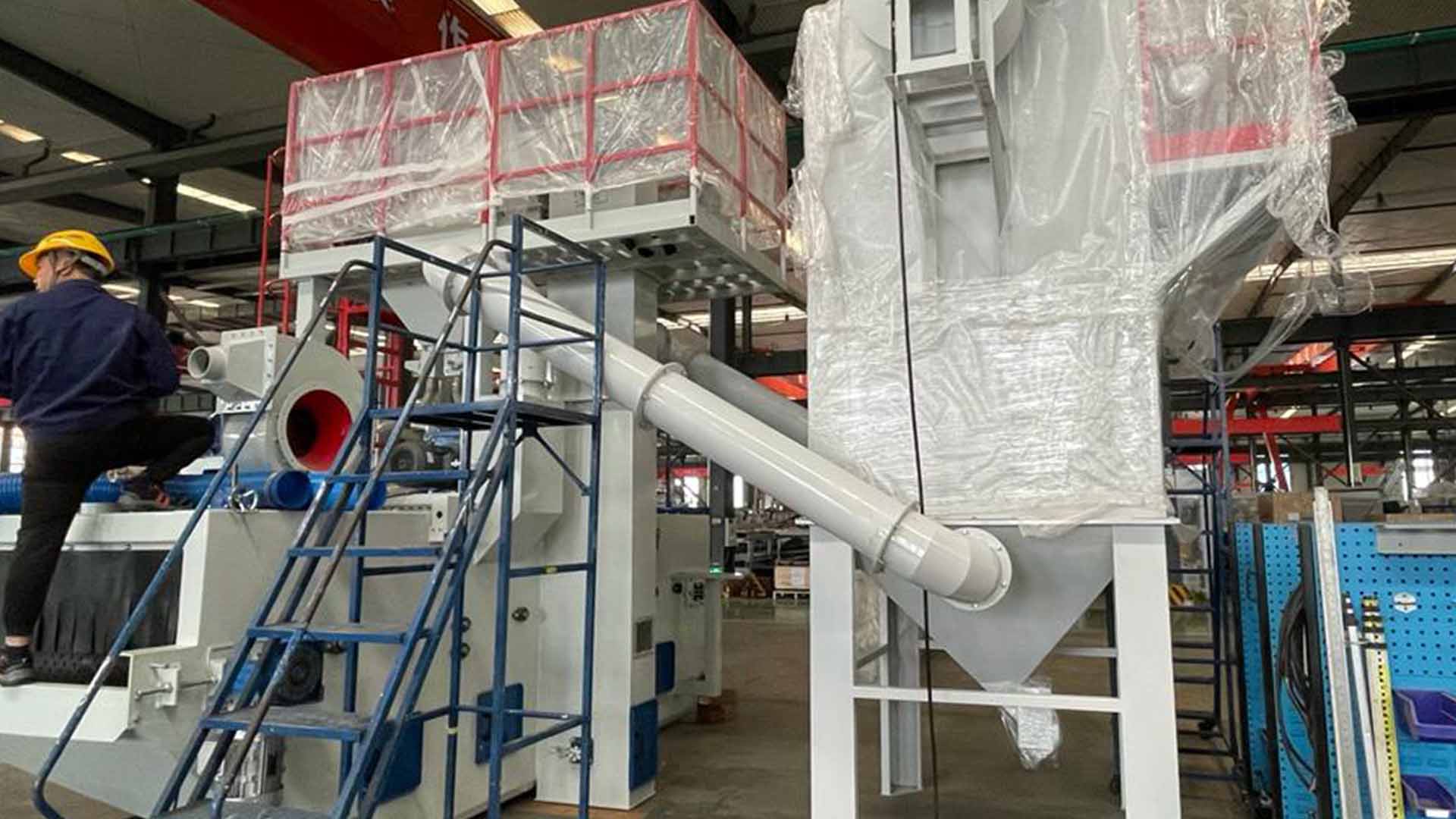
Standardization and Automation Ensure Consistent Output
Consistency is critical in secondary processing. QGM emphasizes both mechanical robustness and process stability in the design of its secondary processing lines. Automated conveyors, precise positioning, and centralized control systems ensure that every step of the process is controllable and repeatable.
Whether it is splitting depth, surface texture, or dimensional tolerance, the equipment maintains high uniformity, enabling reliable delivery for large-scale municipal and engineering projects. This stability ensures that secondary processed products can seamlessly enter professional construction workflows.
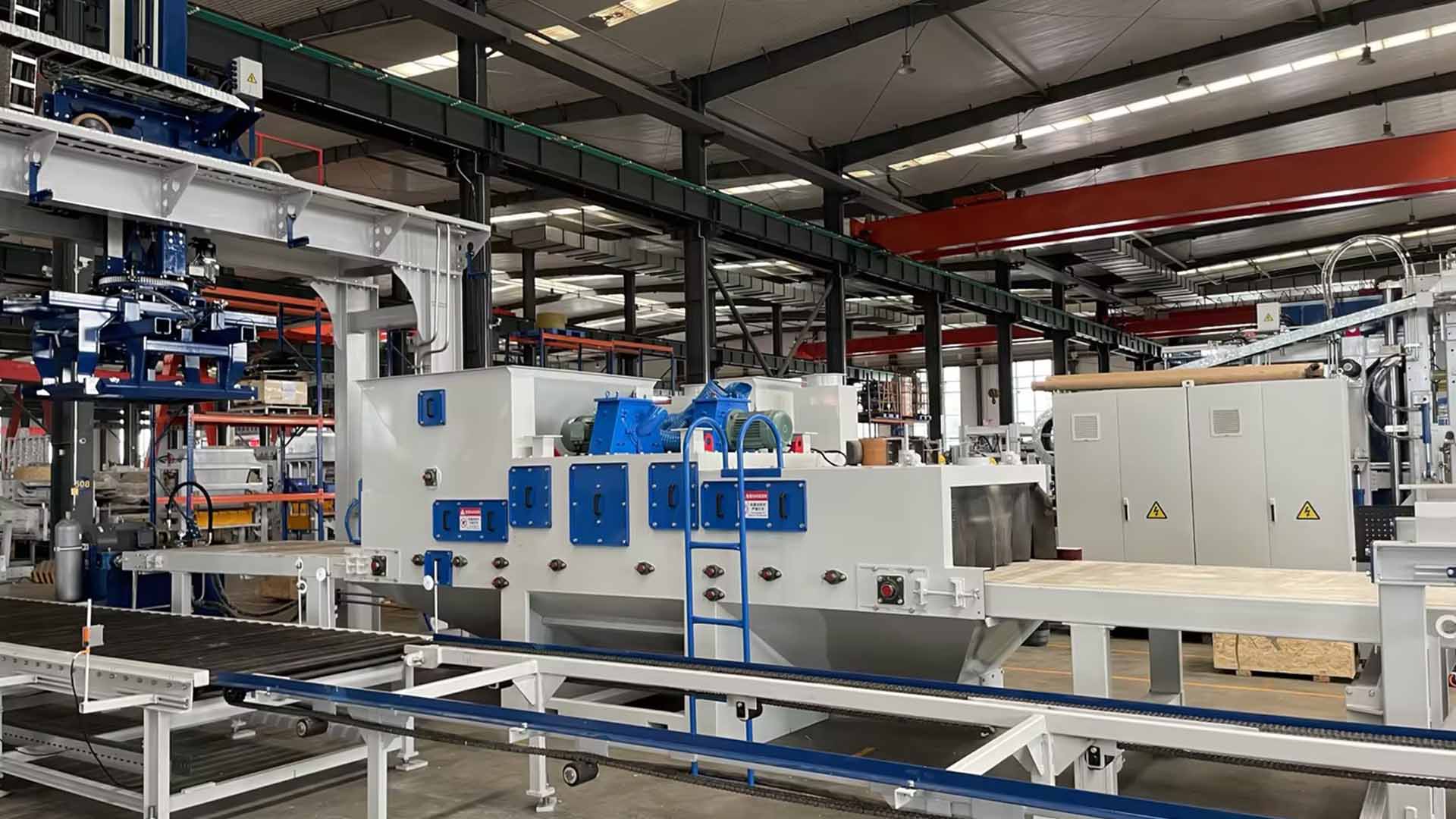
Modular Design for Flexible Integration
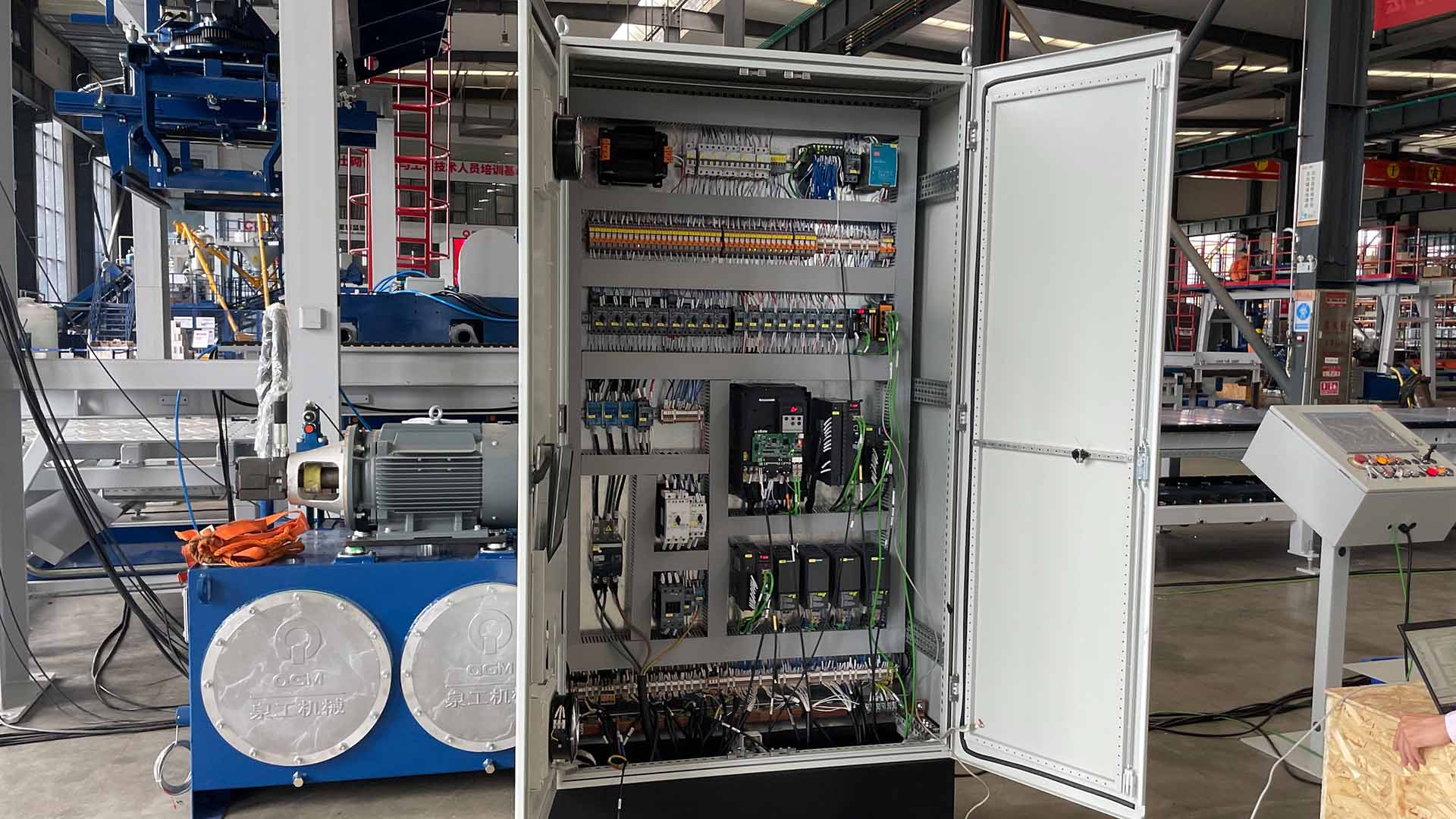
One of the greatest advantages of secondary processing lines is their modular design. Manufacturers can flexibly configure splitting units, grinding machines, turning devices, washing stations, and stacking modules based on existing block making equipment, factory space, and target product types.
This “as-needed” configuration not only reduces initial investment but also provides flexibility for future product upgrades and production capacity expansion.
Unlocking High-End Market Opportunities
From a market perspective, secondary processing is more than adding a process—it opens new product channels. Deep-processed concrete products offer enhanced design expressiveness and higher pricing potential, allowing manufacturers to enter high-end segments such as landscape architecture, specialty towns, and urban renewal projects.
At the same time, product value can be increased significantly without fundamentally changing raw material systems, haciendo del procesamiento secundario una forma efectiva de controlar costos y mejorar los márgenes de ganancia.
Soluciones de sistemas para el crecimiento a largo plazo
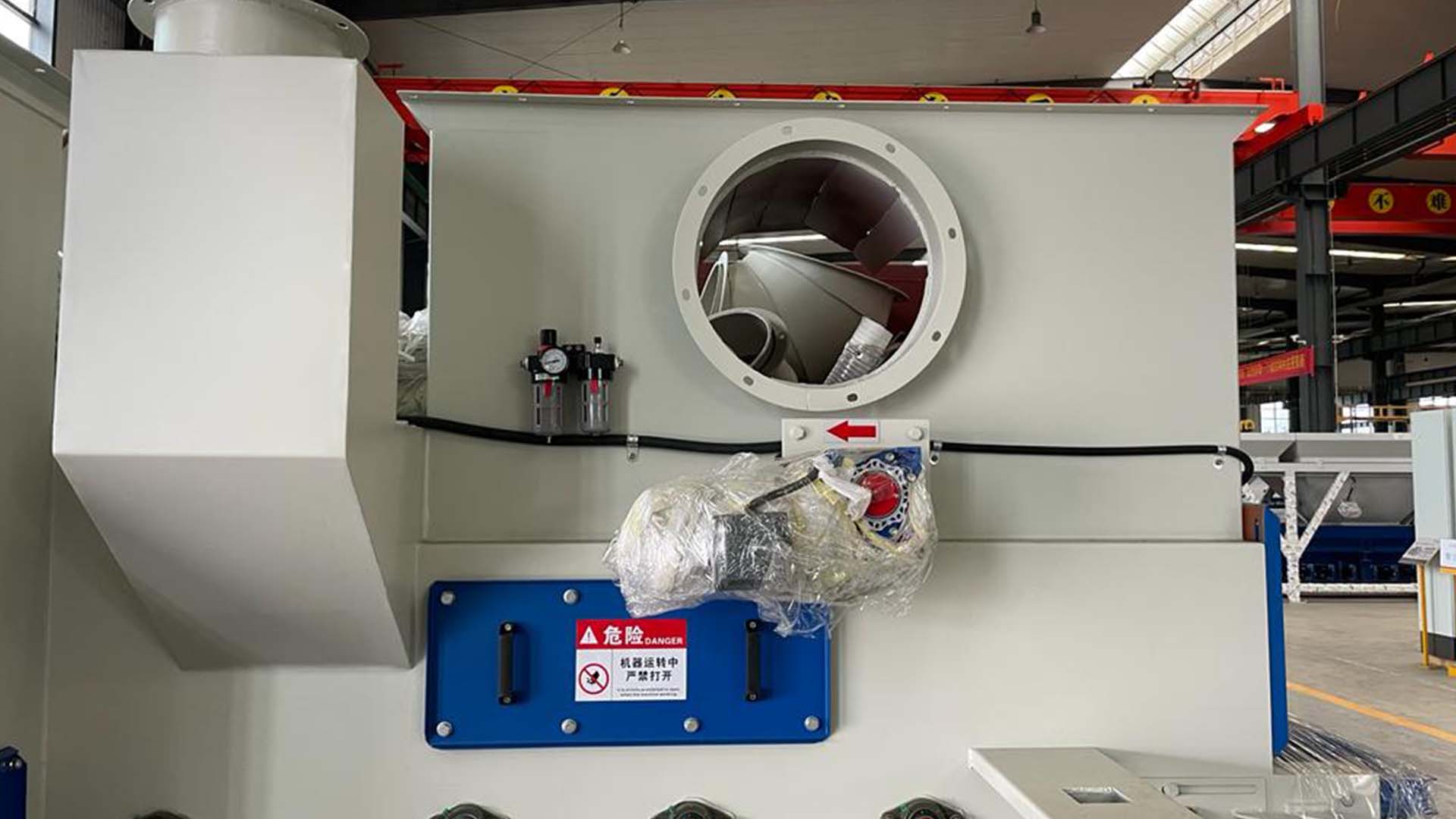
Como fabricante experimentado de equipos para productos de hormigón, QGM no solo proporciona maquinaria sino tambiénSoporte integrado de procesos y sistemasDesde la planificación preliminar y el diseño del proceso hasta la instalación in situ, la puesta en marcha y la capacitación de los operadores, QGM garantiza que las líneas de procesamiento secundario...Operar de forma estable y crear valor a largo plazo.
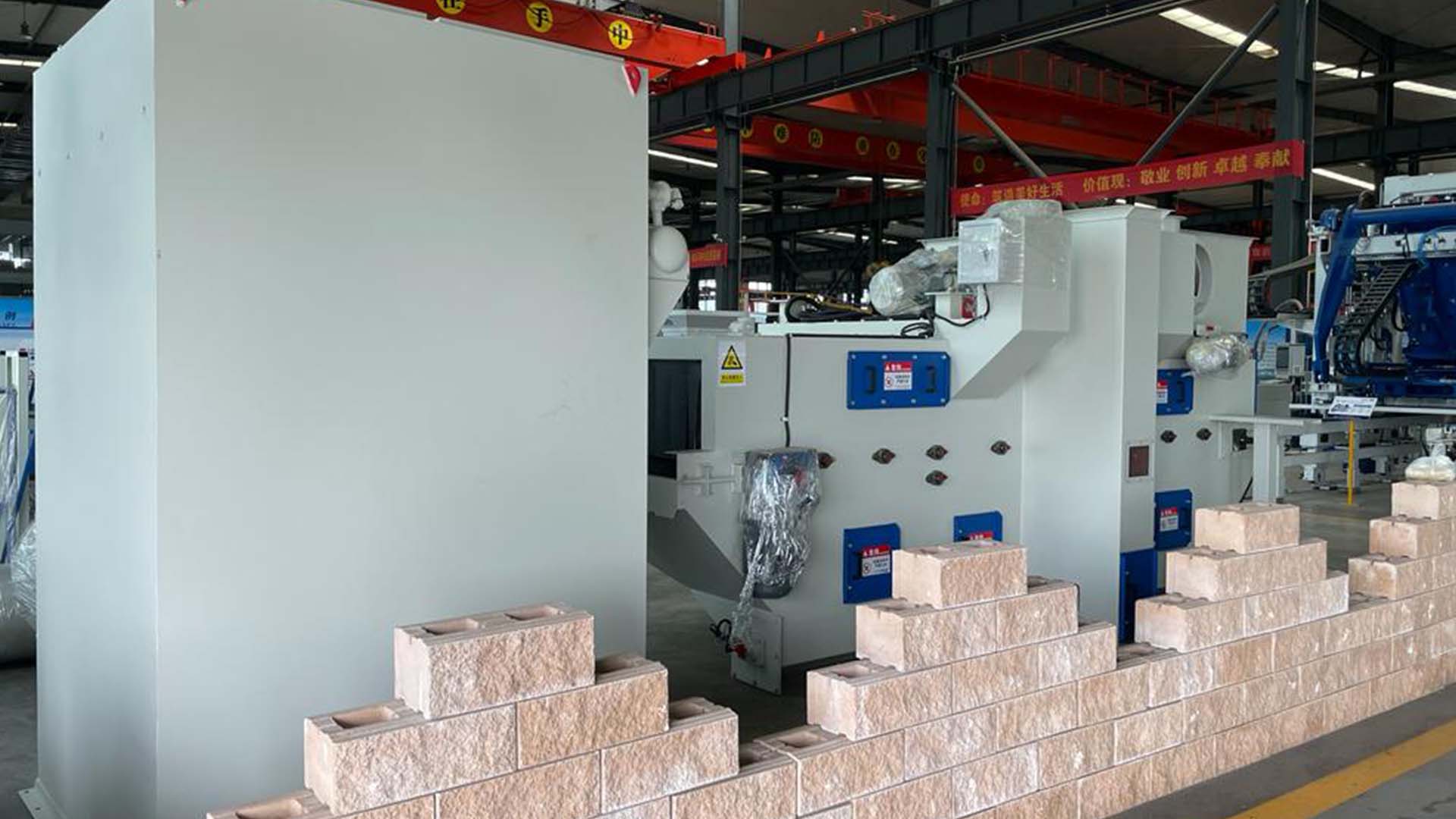
A medida que la industria de materiales de construcción avanza hacia la precisión y la personalización, las líneas de procesamiento secundario se están convirtiendo en un motor clave para que los fabricantes logren la transformación y la actualización.
Mirando hacia el futuro, QGM seguirá avanzandotecnologías inteligentes y sistematizadas, proporcionando a los clientes globalesSoluciones de productos de hormigón de alto valorque sean competitivos, eficientes y versátiles.